

Efficient Strategies to Manage and Dispose of Construction Waste
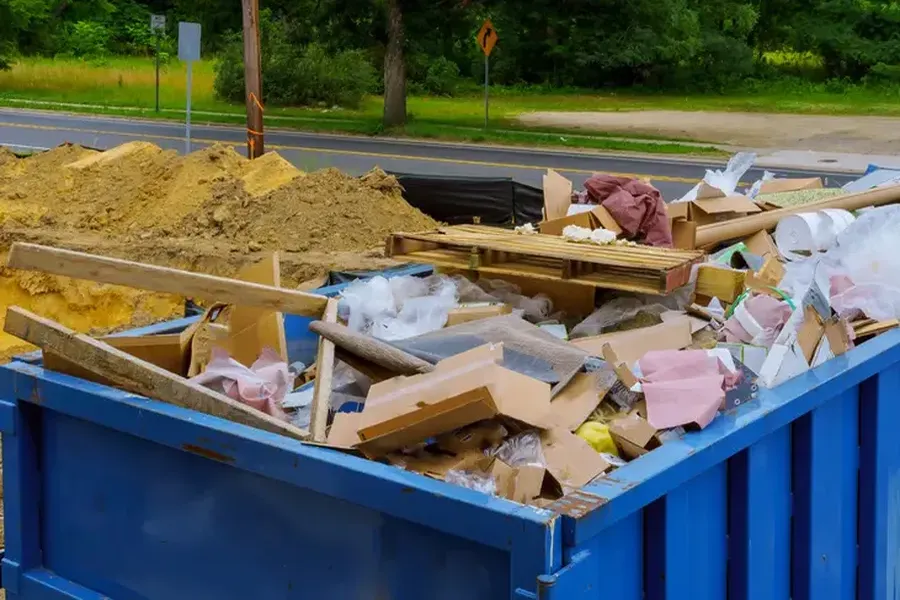
Managing large volumes of construction debris can be a daunting task. Whether you’re involved in a small renovation or a major commercial project, the debris generated needs careful handling. Not only is it essential to keep the site clean and organized, but proper disposal also ensures compliance with environmental regulations. Understanding effective methods for dealing with construction waste can help you streamline operations and prevent safety hazards on-site.
Importance of Safety Precautions
Safety is paramount when dealing with construction debris. Without proper measures, both workers and the environment face significant risks. Always ensure that protective gear is worn by everyone handling the debris. This includes gloves, helmets, and masks. Make sure your team follows guidelines to avoid injuries from sharp or heavy objects.
Choosing the Right Equipment
Selecting suitable equipment is crucial for efficient construction debris removal. Using the right machinery not only speeds up the process but also minimizes the risk of damage or accidents. Consider renting equipment like dumpsters, skid steers, and forklifts based on the volume and type of debris at your site. Evaluate each piece’s capabilities to ensure they fit your specific needs.
Understanding Waste Segregation
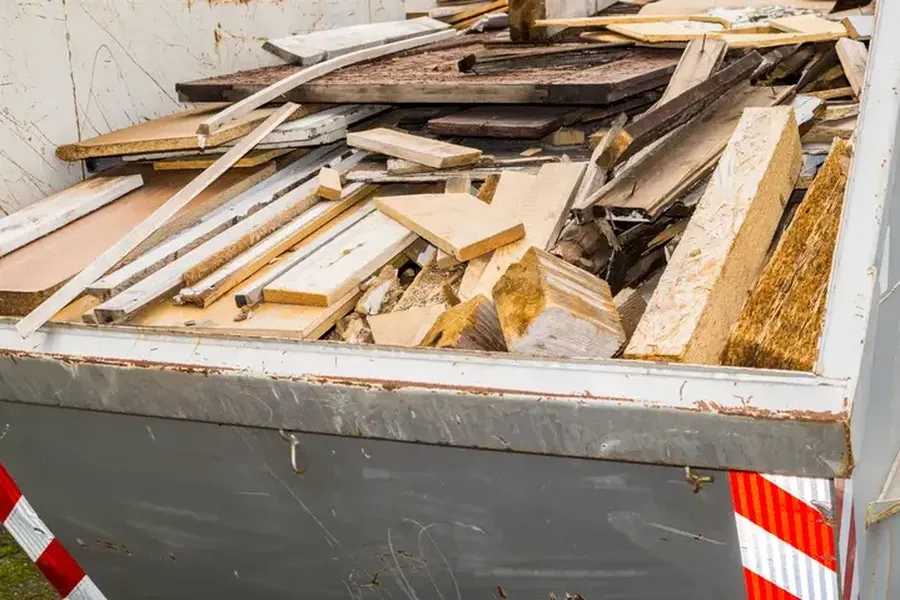
Segregating waste is an important step in managing construction debris effectively. Sorting materials such as wood, metal, concrete, and plastics helps facilitate recycling and reduce landfill contributions. For example, separating metals can allow for their resale or repurposing, while concrete fragments might be crushed and reused in other projects. Proper segregation supports sustainable practices in construction debris removal.
Recycling Opportunities
Recycling plays a vital role in reducing the ecological footprint of construction activities. Many materials can be recycled rather than thrown away. Reach out to local recycling facilities to understand what services they offer and how to prepare materials for them. Commonly recycled items include steel beams, copper wiring, and wooden pallets. By prioritizing recycling, you contribute positively to environmental conservation efforts.
Benefits of Professional Services
Hiring professional services for construction debris removal has several advantages. These experts possess the knowledge and experience needed to handle waste efficiently while complying with legal requirements. They provide comprehensive solutions including sorting, transporting, and disposing of debris properly. Utilizing professionals allows you to focus on the core aspects of your project without worrying about waste management challenges.
Cost Factors to Consider
The cost of handling construction debris varies based on several factors including volume, type of material, and disposal method. Renting equipment may incur additional expenses, as well as hiring specialized services. However, investing in professional assistance often saves money over time by preventing penalties associated with improper disposal and enhancing operational efficiency.
Final Steps for Effective Waste Management
To optimize handling large volumes of construction debris, develop a waste management plan before starting any project. Identify types of debris expected and allocate resources accordingly. Engage with recycling centers early to coordinate pick-ups and disposals. Regularly assess progress to adjust strategies as needed.
Your Partner for Expert Debris Solutions
If you need expert solutions for managing construction waste, consider partnering with industry professionals. Located in Pattersonville, NY, we are equipped to offer tailored services that suit your project’s unique requirements. With years of experience, our team at Dump Runners ensures compliance with all regulations while maintaining high standards of service quality. Call us today at (518) 728-7884 to learn more about our comprehensive waste management solutions.